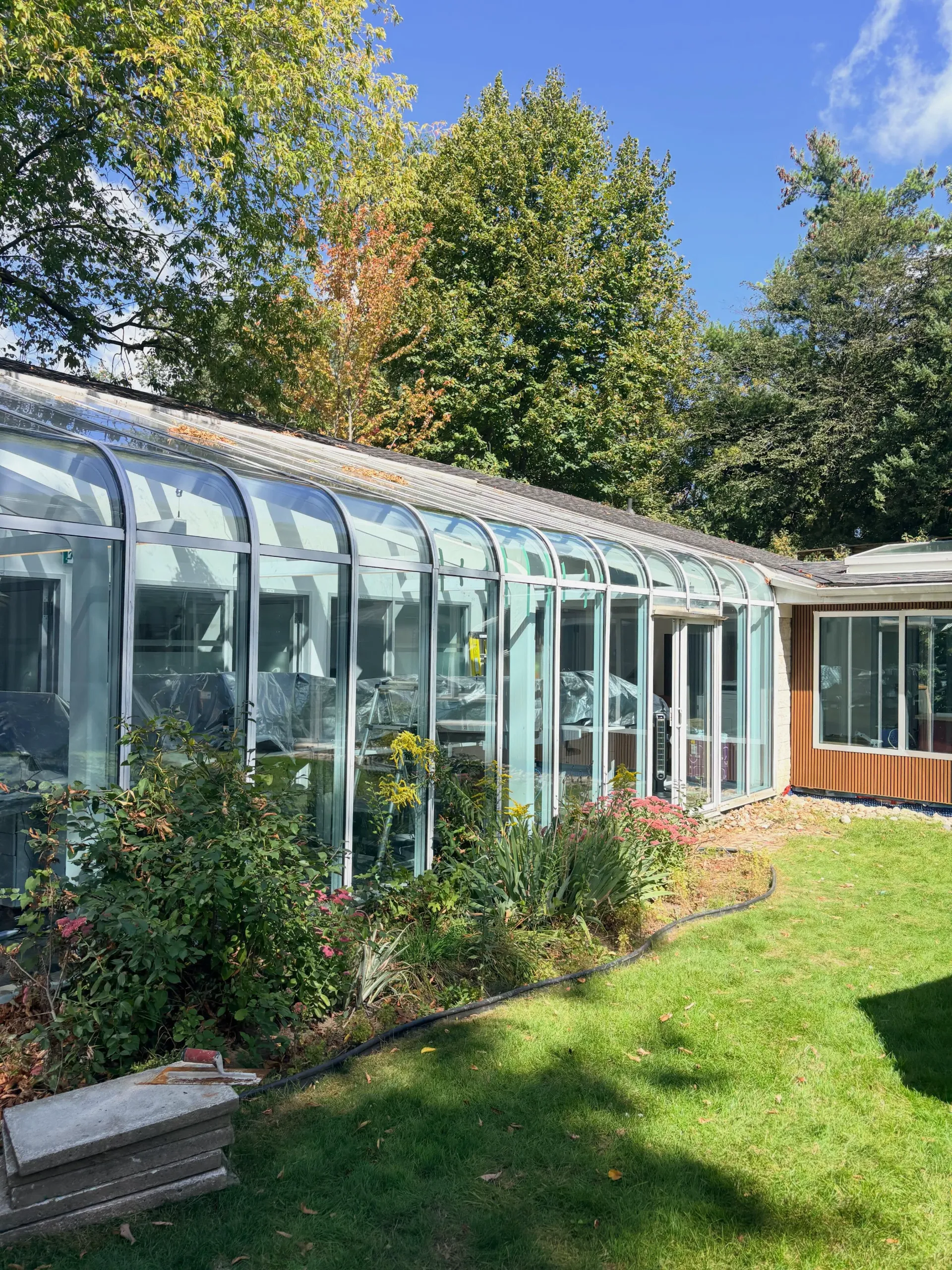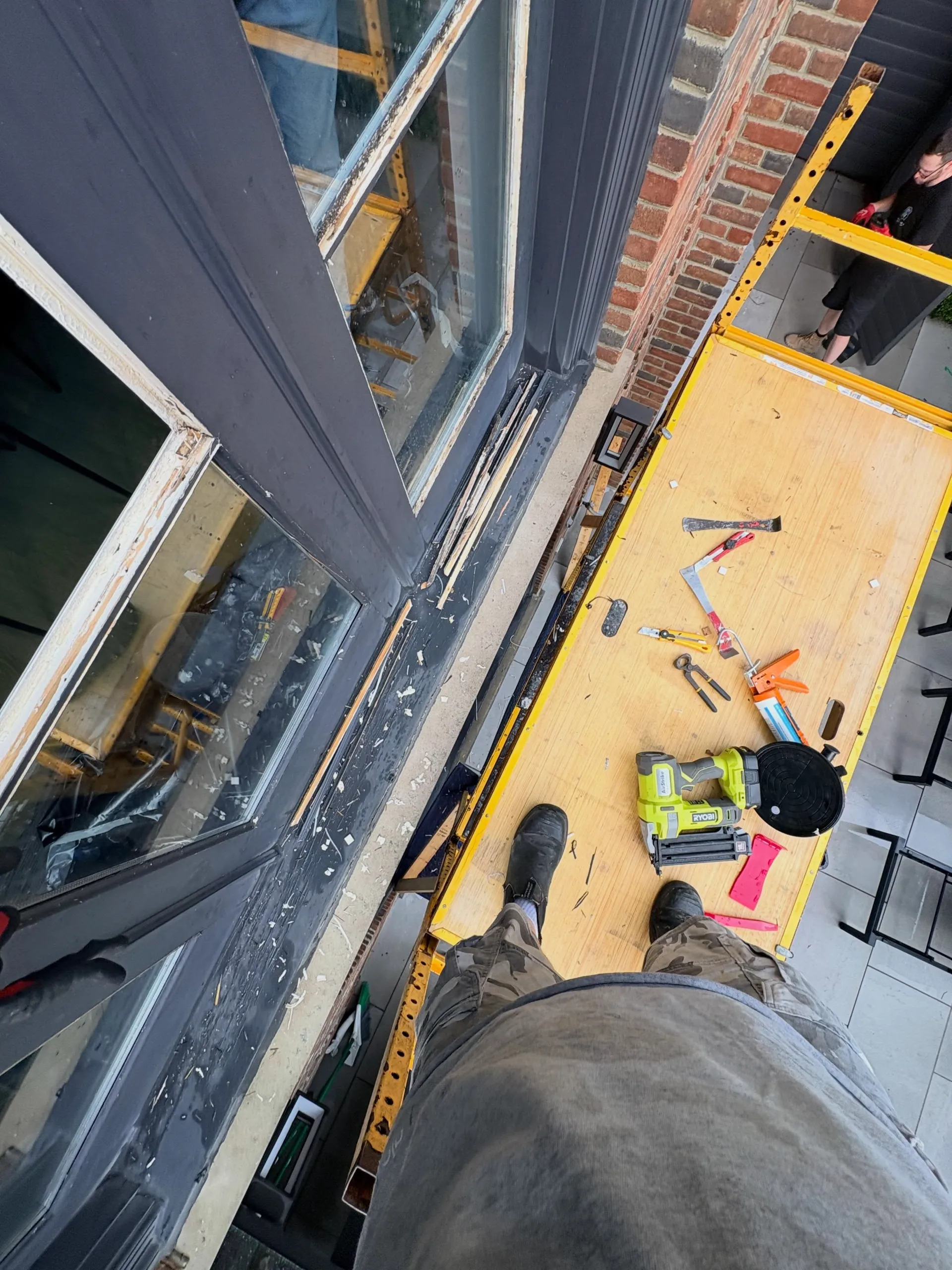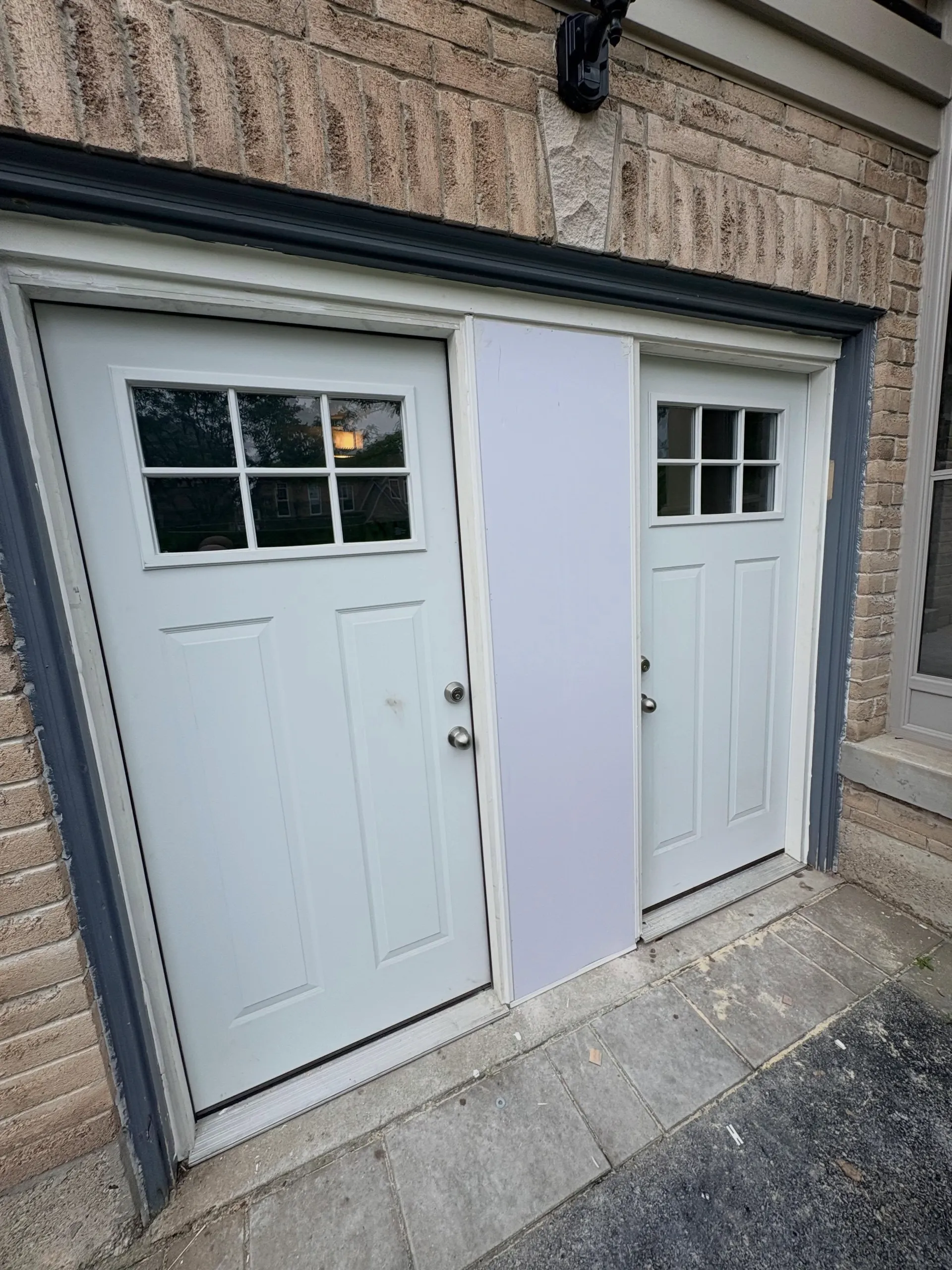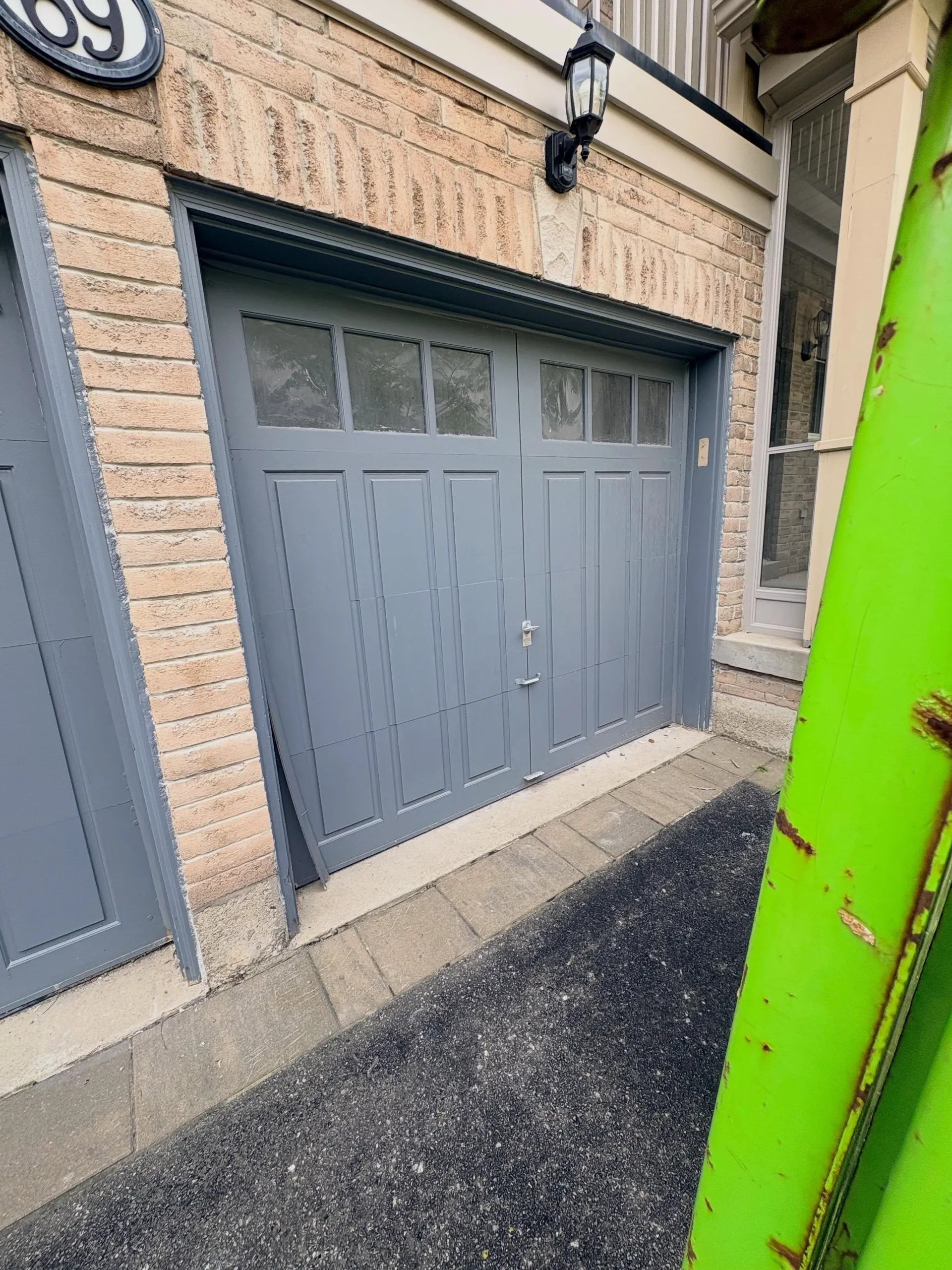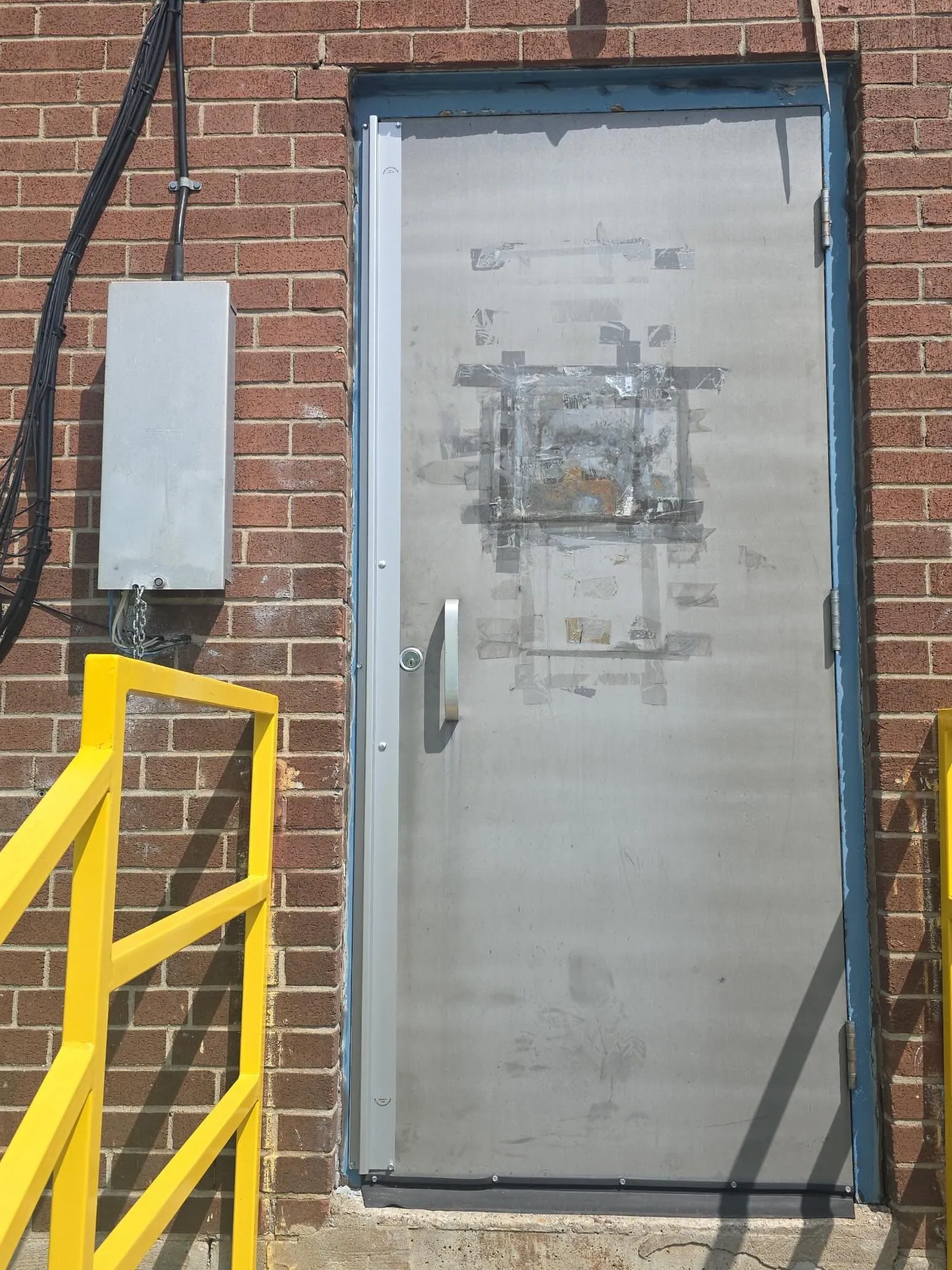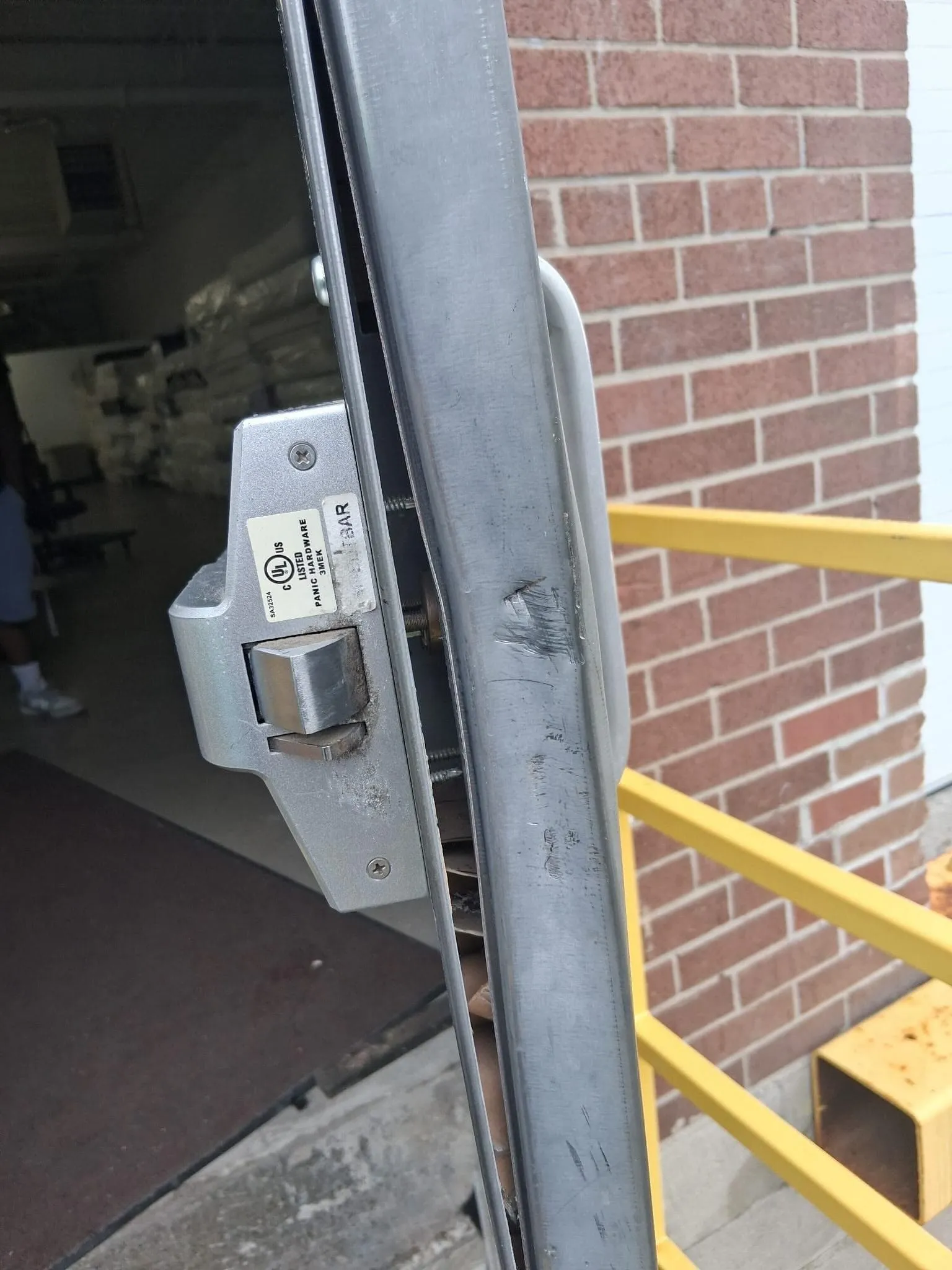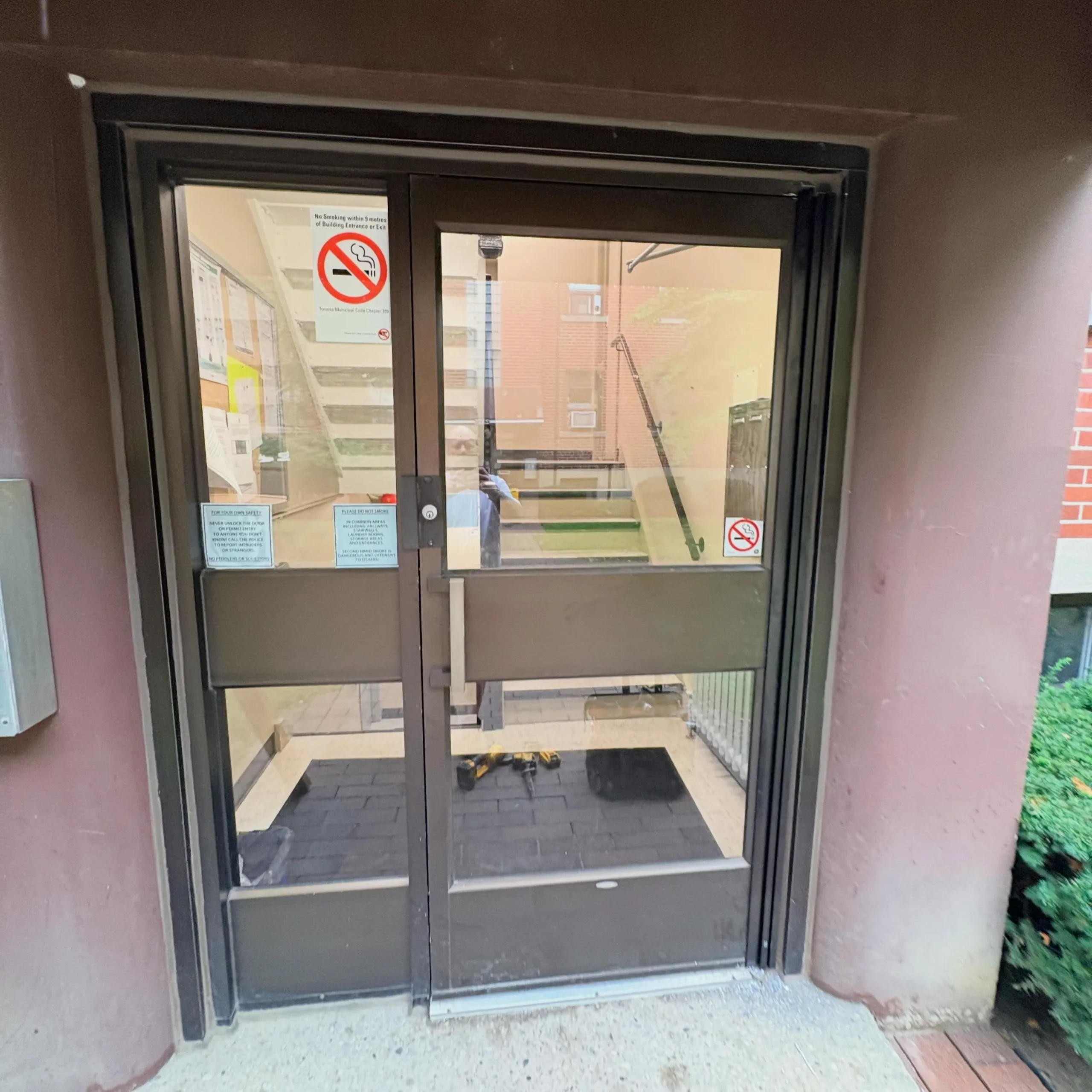
Solid door. Smooth operation.
Steel front door repair across the GTA – sagging, drafts, lock alignment, and worn hardware fixed on the door you already have.
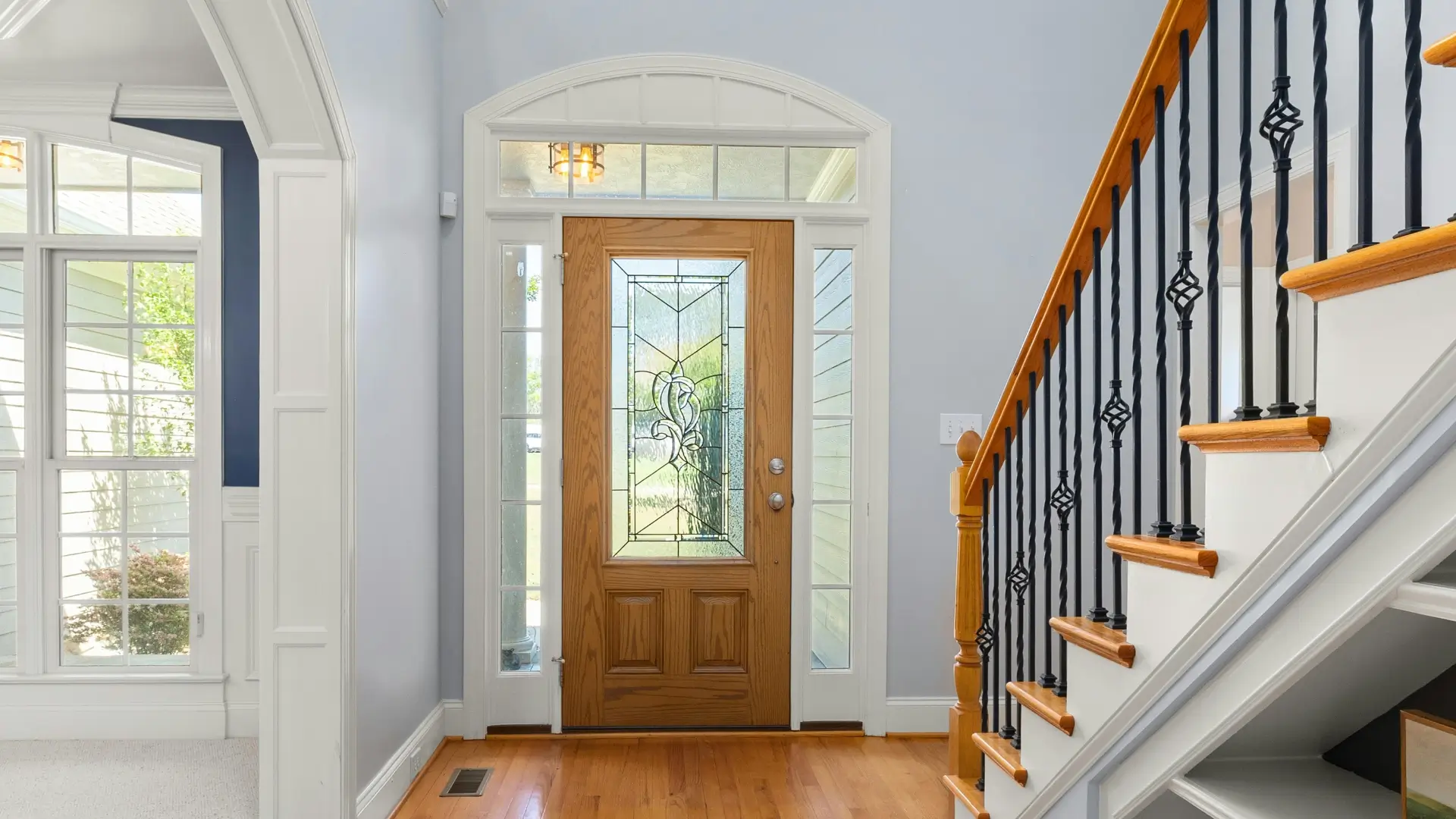
Most steel door problems aren’t the steel.
Steel entry doors are built to take a beating. When one starts dragging, leaking air, or fighting the deadbolt, the slab itself is usually fine — it’s the hinges, strike plate, weatherstripping, or threshold that has shifted or worn out.
770 Pro tracks down the component that’s actually causing the problem and corrects it: re-hanging a sagging door, realigning the latch and deadbolt, and replacing worn seals and sweeps.
If the door is rusted through, badly bent, or the frame has failed, we’ll give you a straight answer and talk through replacement.
Tune it up before you tear it out.
A properly adjusted steel door can keep working for many more years.
- Realign & adjust
- Replace worn components
- New door only if needed
Is your front door doing any of these?
The top corner drops or the bottom scrapes the threshold as the door swings.
You have to push, pull, or lift the door before the lock will turn.
Cold air or light around the door means the seals are no longer making contact.
Impact damage to the door skin that affects appearance or how the door closes.
Surface rust can often be treated early; rust-through is a sign to discuss replacement.
Seasonal movement makes the door bind or refuse to latch when temperatures drop.
Keep it or replace it? We’ll tell you honestly.
The slab is straight and solid.
Most steel door issues are mechanical, and mechanical problems can be adjusted or replaced.
- The door skin is intact
- The frame is square and sound
- Hinges, locks, or seals are the issue
- Rust is minor and on the surface
The door is working against you.
Some damage goes beyond what a repair can reliably hold.
- Rust has eaten through the skin
- The door is bent or badly twisted
- The frame or sill has rotted
- Repairs keep coming undone
A steel door is only as good as the parts holding it.
Loose or worn hinges are the most common reason a steel door sags.
Misaligned strikes stop the door from closing and locking cleanly.
Stiff, loose, or misaligned locks restored to smooth operation.
Compressed or torn seals replaced to stop drafts and water.
The seal at the bottom of the door, where most wear happens.
We check that the opening is square and solid before adjusting the door.
Dents, rust, and edge damage assessed for repairability.
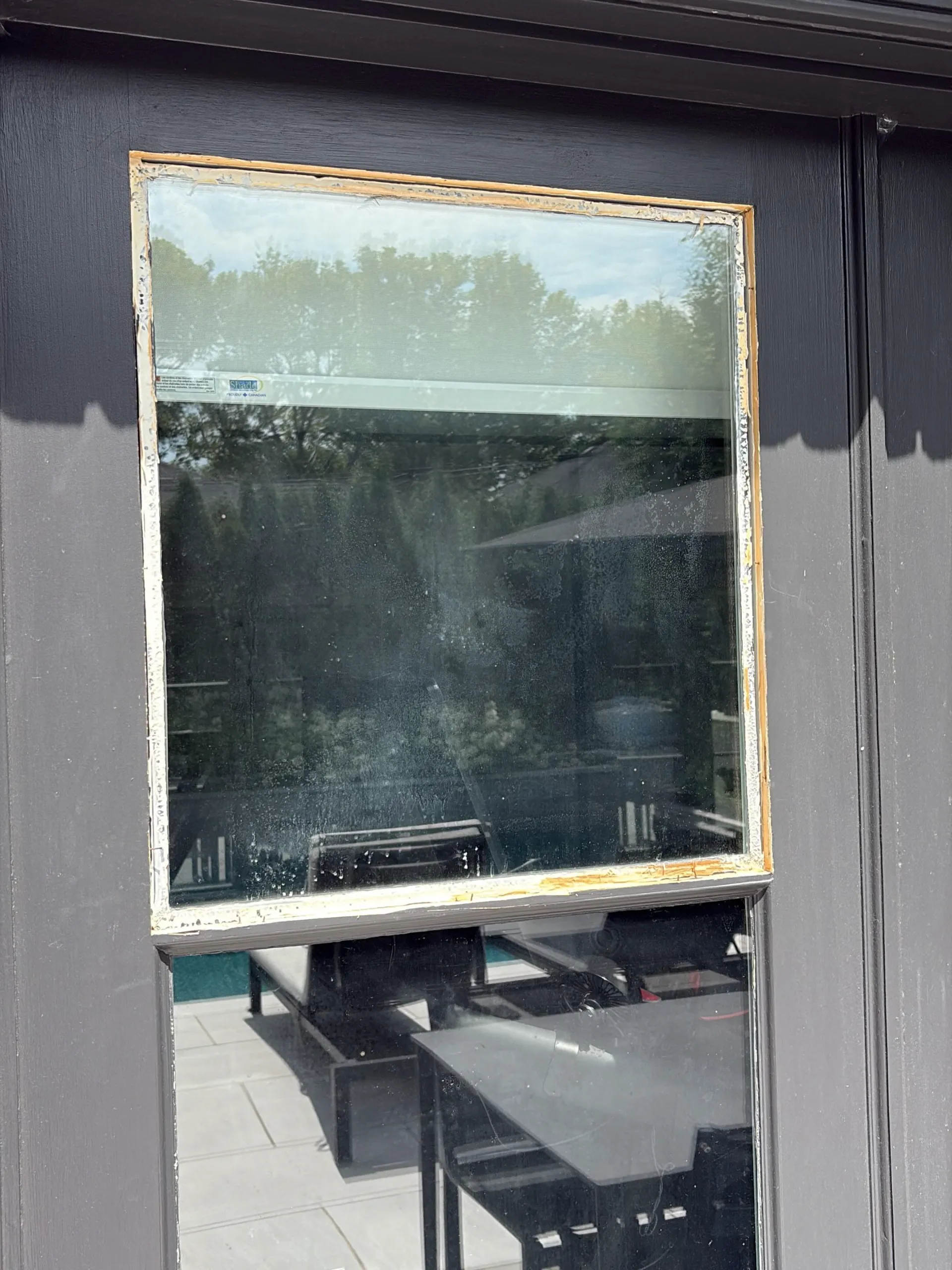
Glass inserts and sidelites checked for cracks or failed seals.
Front door dragging or drafty?
Tell us what it’s doing, and we’ll tell you whether it’s an adjustment, a part, or something bigger.
Three details help us help you faster.
A photo and a short description usually tell us a lot before we arrive.
A full shot of the door plus a close-up of the problem area.
Sticking, sagging, drafts, lock trouble, dents, or rust.
Adjustment, part replacement, or — if needed — a new door.
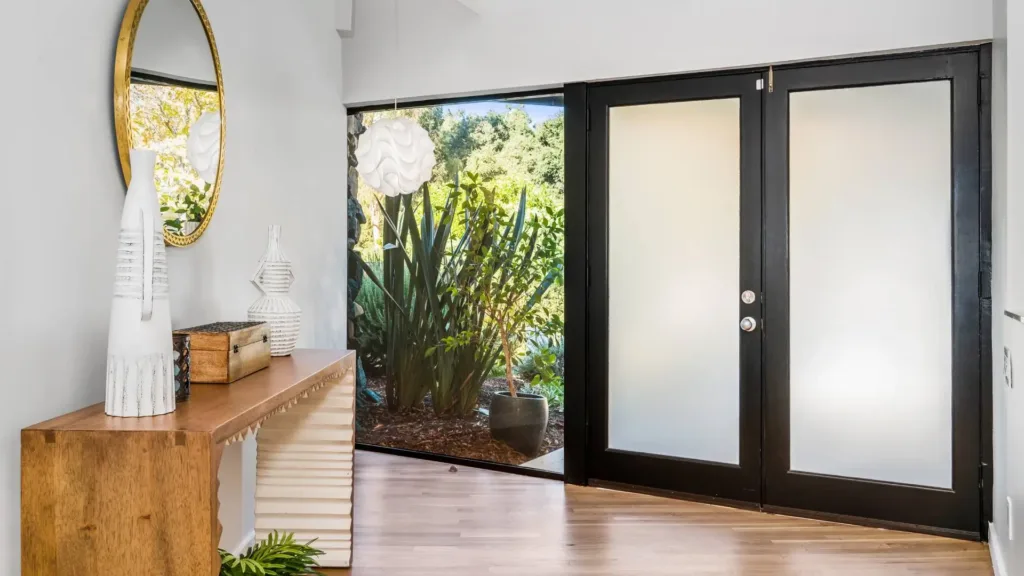

Steel entry door questions.
Can a sagging steel door be fixed?
Why won’t my deadbolt lock without pushing the door?
Can a dented steel door be repaired?
Why is there a draft around my front door?
Is my old steel door worth repairing?
What area do you serve?
Have a different door that needs attention?
We bring the same repair-first approach to every door in your home.
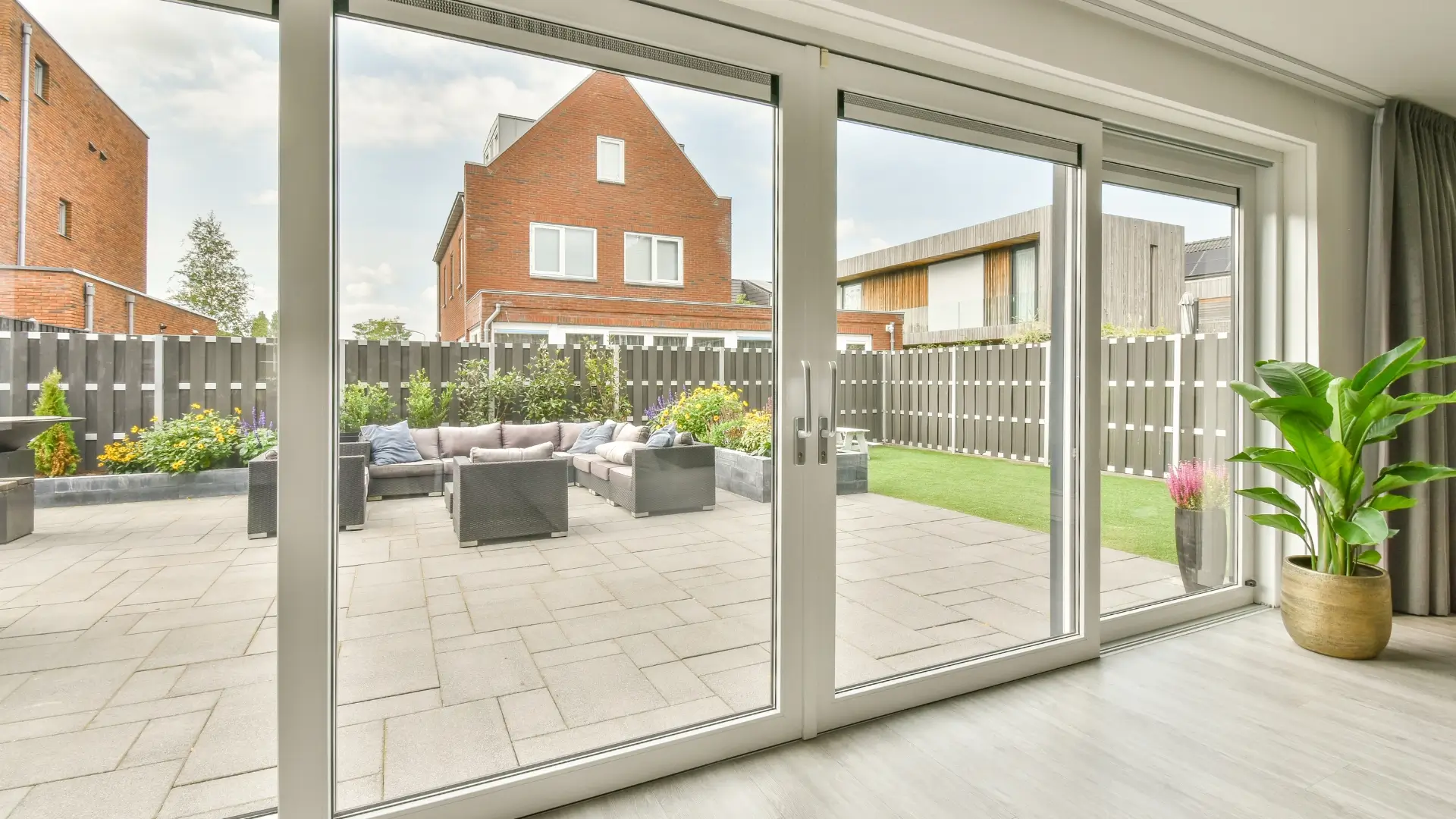
Sliding Patio Doors
Heavy sliding, worn rollers, damaged tracks, and locks that won’t catch.
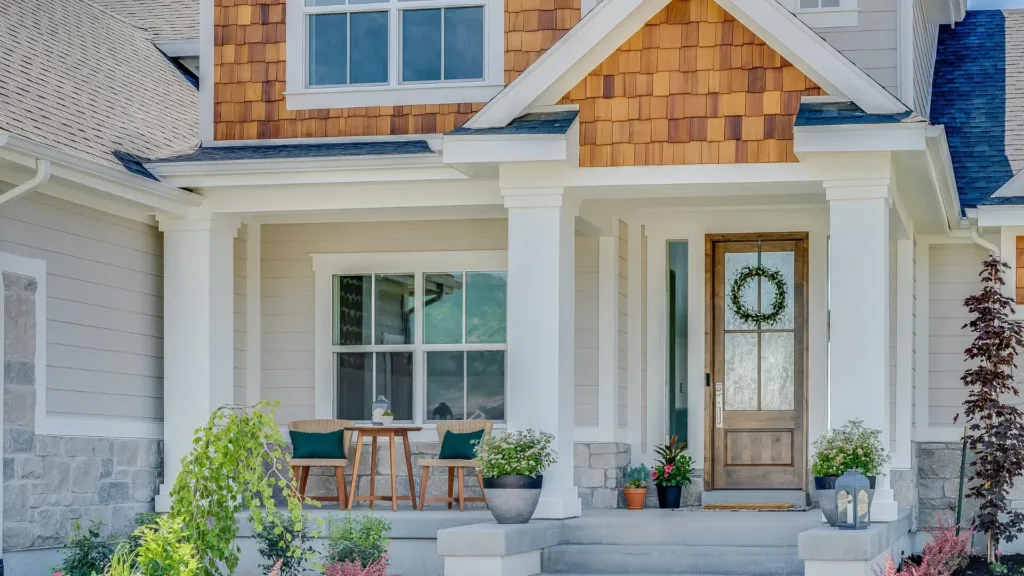
Fiberglass Entry Doors
Hardware, seals, and alignment for fiberglass doors worth keeping.